
Mobile concrete batching plants combine production efficiency with transportation flexibility, making them one of the most versatile solutions for infrastructure, commercial and remote construction projects. This guide explains how they work, their key components and how to select the right configuration for your operation.
Understanding a Mobile Batching Plant
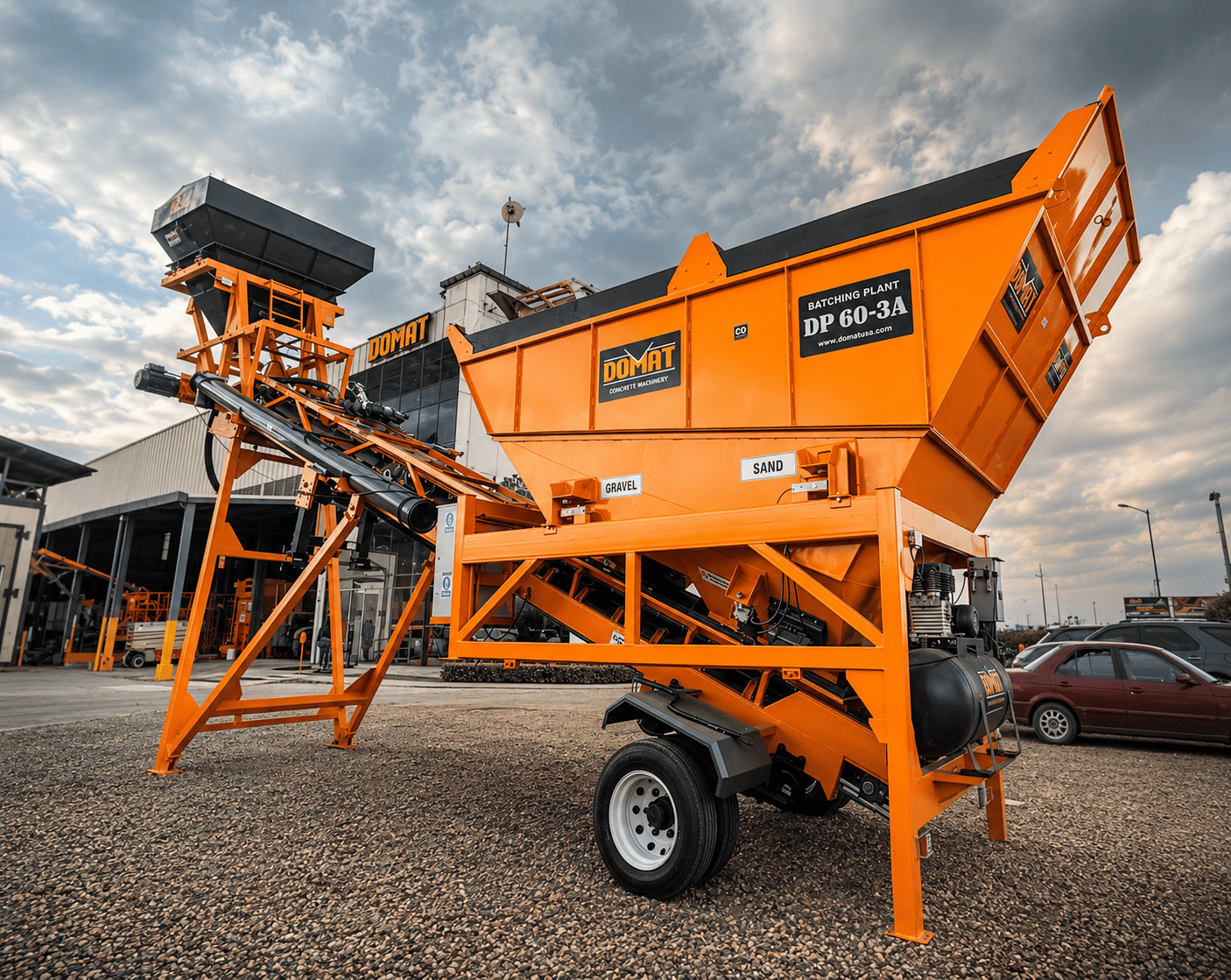
A mobile concrete batching plant is a complete concrete production system designed to be transported between construction sites while maintaining the production capacity and reliability required for modern infrastructure projects.
Unlike conventional stationary plants, mobile batching systems integrate the aggregate bins, weighing units, conveyor systems, cement storage and control equipment into transportable modules, allowing contractors to relocate production as project requirements evolve.
This flexibility significantly reduces transportation distances for fresh concrete, minimizes setup times and improves operational efficiency across highways, bridges, commercial developments, mining operations and remote construction environments.
Typical Components of a Mobile Concrete Batching Plant
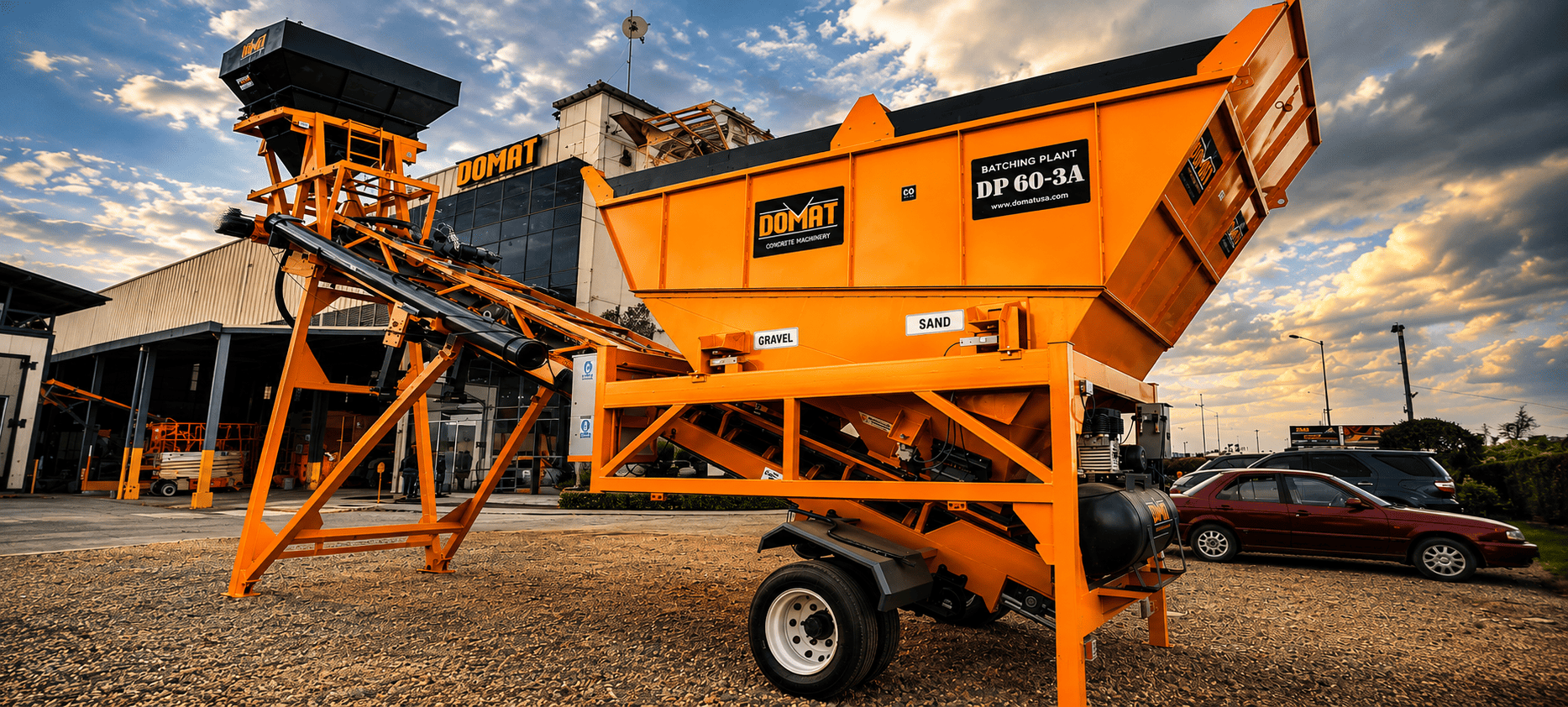
Although configurations vary depending on production capacity and transport requirements, most mobile concrete batching plants are composed of the same fundamental systems. Each component plays a critical role in maintaining production accuracy, mobility and operational reliability.
Aggregate Storage
Modular aggregate bins store and separate raw materials while allowing accurate weighing before batching.
Cement Feeding
Cement is supplied from silos through screw conveyors, ensuring a continuous and controlled material flow.
Water System
Automated dosing systems maintain precise water proportions required for consistent concrete quality.
Control Unit
PLC-based software coordinates weighing, batching and production cycles while recording operational data.
If your project requirements are still being defined, a technical review can help organize the key components related with the machinery and site considerations before evaluating equipment configurations.
Dry Batch vs. Wet Mix Mobile Concrete Plants
Although both systems are designed to produce concrete efficiently, their production methods differ significantly. Understanding these differences helps contractors select the most appropriate solution for each project.
Mixing Occurs Inside the Truck Mixer
- Lower initial investment.
- Simpler mechanical design.
- Faster transportation and setup.
- Ideal for infrastructure projects.
- Reduced maintenance requirements.
Mixing Occurs Inside the Plant
- Centralized concrete mixing.
- Greater control of mix consistency.
- Recommended for high-volume production.
- Requires a mixer integrated into the plant.
- Higher maintenance requirements.
Where Mobile Concrete Batching Plants Deliver the Greatest Value
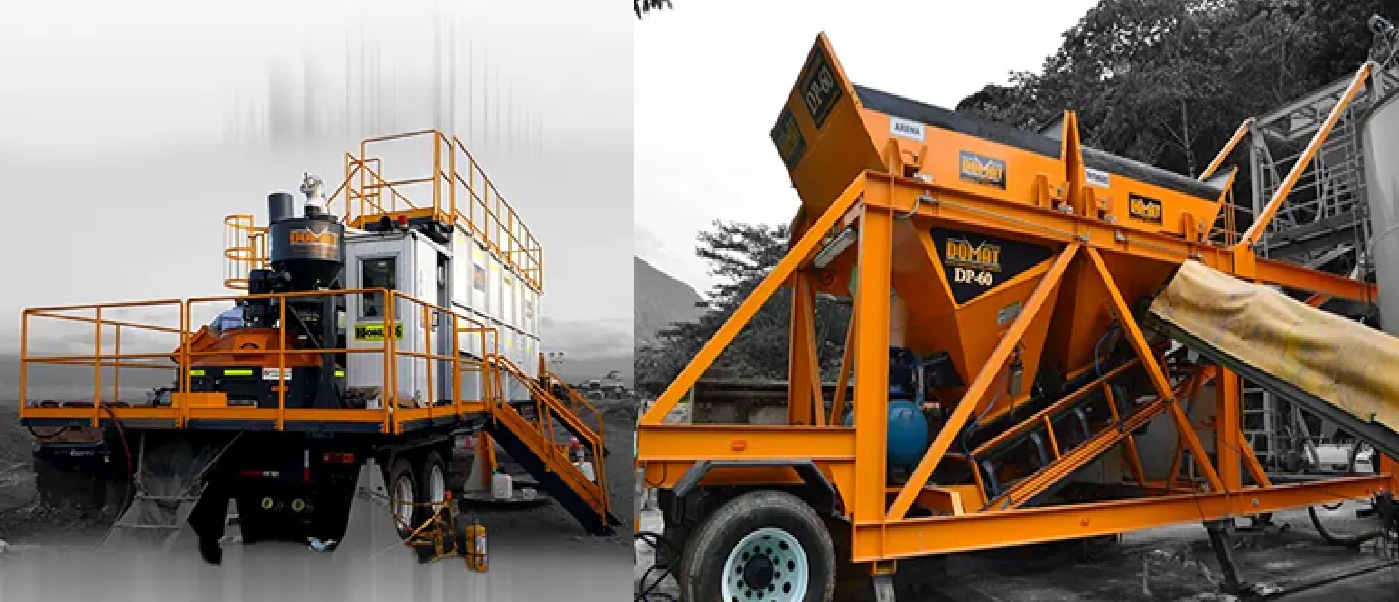
Mobile concrete batching plants are designed to support projects where flexibility, production continuity and transportation efficiency are essential. Their modular architecture allows contractors to relocate production closer to the construction site, reducing logistics costs and minimizing downtime.
Highway Construction
Produce concrete directly along road corridors, reducing hauling distances while maintaining continuous paving operations.
Bridge Projects
Ensure reliable concrete production for structural pours in locations where access to commercial ready-mix plants is limited.
Mining Operations
Support remote mining facilities with an independent concrete supply for foundations, infrastructure and expansion projects.
Commercial Developments
Deliver consistent concrete production for industrial parks, logistics centers and large commercial construction projects.
Key Factors When Selecting a Mobile Concrete Batching Plant
Selecting the right batching plant depends on more than production capacity alone. Transportation logistics, project duration, material availability and future scalability all influence the ideal configuration.
Required Production Capacity
Evaluate the hourly concrete demand and expected production peaks throughout the project lifecycle.
Transportation Requirements
Consider road regulations, relocation frequency and available transport equipment.
Project Duration
Long-term projects may prioritize production capacity, while short-term operations benefit from rapid deployment.
Future Expansion
Modular systems allow contractors to adapt production capacity as business requirements evolve.
Determinating more deeply your project requirements with our technical stuff will help you to consider the best option. Contact us for more information.
ROADMASTER Mobile Concrete Batching Plants
The ROADMASTER Series has been engineered to combine high production performance with exceptional mobility, allowing contractors to relocate concrete production quickly between job sites without compromising batching accuracy or operational efficiency.
- Fast deployment with minimal site preparation.
- Compact transport configuration.
- Automated production control.
- Designed for infrastructure and commercial projects.
- Scalable configurations for different production capacities.

Industries That Benefit from Mobile Concrete Production
Mobile concrete batching plants have become an essential solution across multiple industries where production flexibility, transportation efficiency and consistent concrete quality are critical to project success.
Transportation Infrastructure
Highways, airports, bridges and railways requiring continuous concrete production across extensive project areas.
Commercial Construction
Industrial buildings, logistics centers and commercial developments demanding reliable on-site batching capabilities.
Mining & Energy
Remote operations requiring independent concrete production without relying on external suppliers.
Government Projects
Public infrastructure developments where mobility and rapid deployment are key project requirements.
Precast Production
Facilities requiring consistent batching accuracy to manufacture high-quality precast concrete elements.
Large Civil Engineering
Dams, tunnels and large-scale engineering works requiring continuous concrete production over extended periods.
Choosing the Right Mobile Concrete Batching Plant for Long-Term Success
Selecting a mobile concrete batching plant involves balancing production requirements, transportation logistics and long-term operational objectives. The ideal solution should not only satisfy current project demands but also provide the flexibility to adapt to future construction opportunities.
Modern mobile batching technology enables contractors to produce high-quality concrete closer to the point of placement, improving efficiency while reducing transportation costs and project delays. As infrastructure projects continue to expand in complexity, mobility has become a strategic advantage rather than simply an operational convenience.
"Investing in the right mobile concrete batching solution means investing in greater productivity, operational flexibility and sustainable project growth."
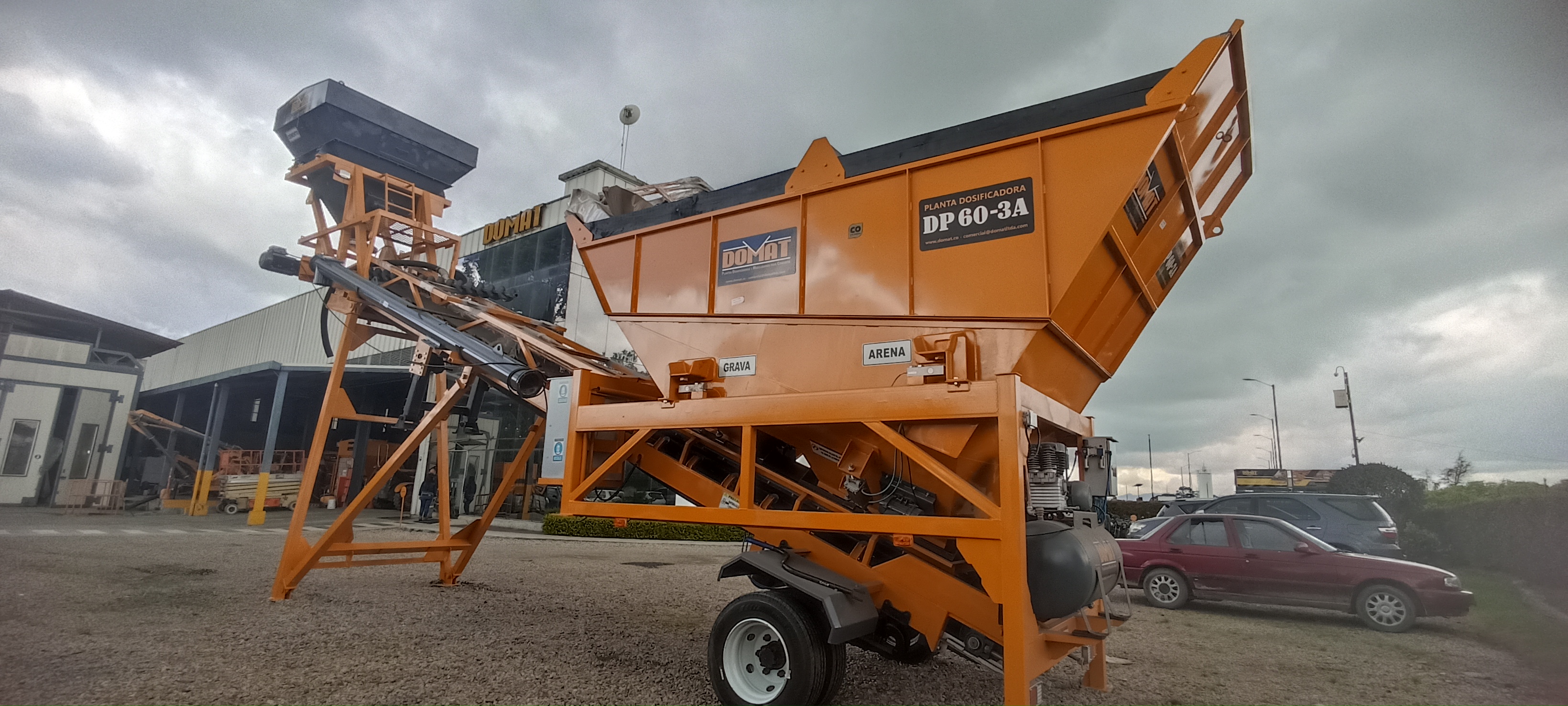
So, Would You consider a Mobile Concrete Batching Plant?
A mobile concrete batching plant, would help you to bring concrete production closer to where it is your need. Consider in abstract these following three main indicators: